
If you’re researching boiler installation in Sheffield, you’ve probably come across the term “system boiler” more than once. A lot of homeowners I speak to across Sheffield and Huddersfield aren’t entirely sure what the difference is between a system boiler and the one they’ve already got. They just know their current setup is struggling.
This article will walk you through how system boilers work, who they’re best suited to and when it makes sense to upgrade. No jargon for the sake of it, just straight answers based on what we see every week in homes across West Yorkshire.
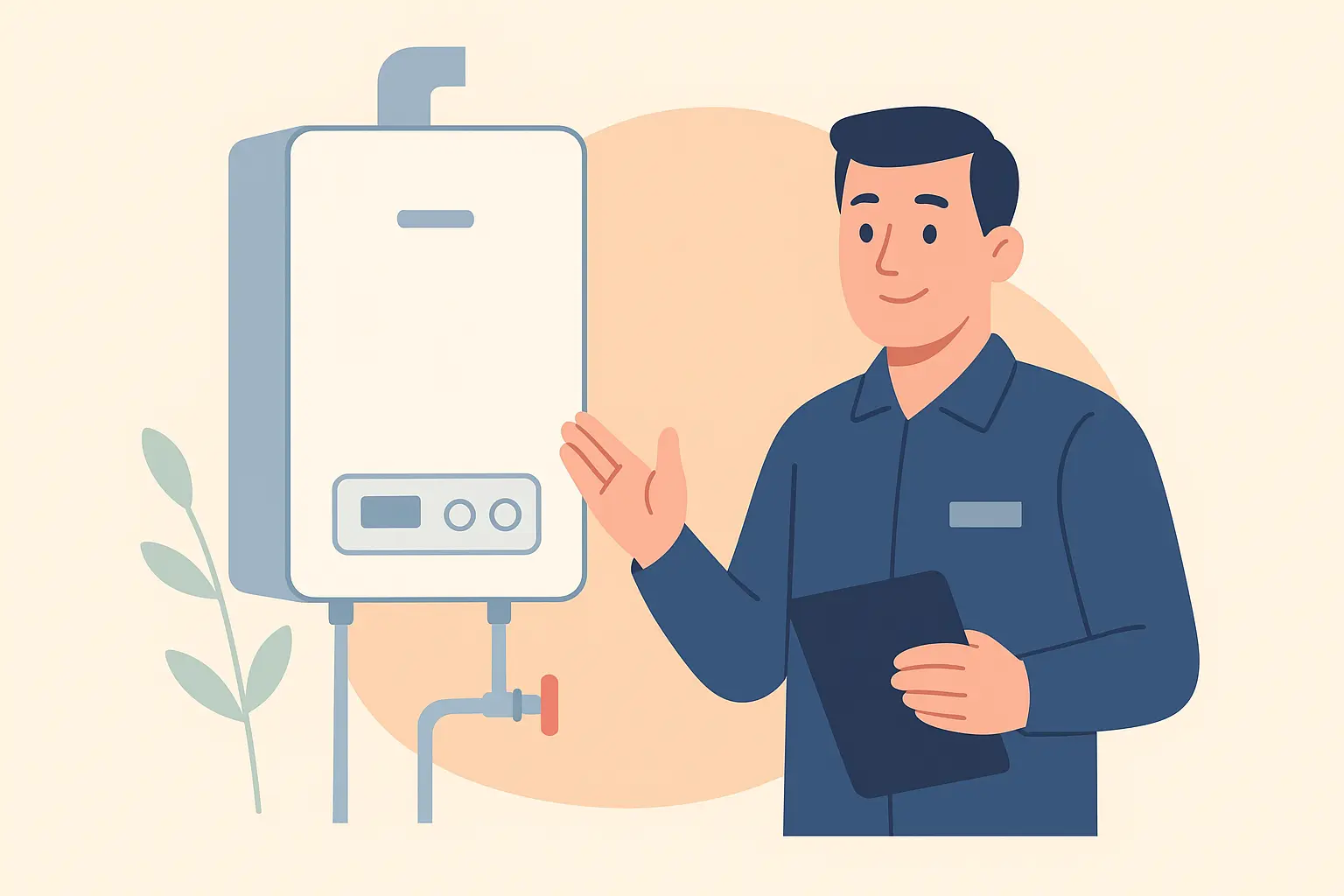
What is a system boiler and how does it work?
A system boiler works alongside a hot water cylinder, but unlike older conventional boilers it doesn’t need a cold water tank up in the loft. Most of the key components, like the pump and expansion vessel, are built into the boiler itself.
In simple terms, the boiler heats your central heating water directly and also heats and stores hot water in a cylinder. Because the hot water is stored under mains pressure, you get a stronger, more consistent flow to your taps and showers compared to some older gravity-fed systems.
It’s a tidy solution. Fewer separate tanks, neater pipework and generally more reliable performance when installed and set up properly.
Key benefits of upgrading to a system boiler
Better hot water performance
If you’ve ever had someone turn a tap on downstairs while you’re in the shower and felt the temperature swing, you’ll understand this one.
A system boiler paired with a properly sized unvented cylinder can comfortably supply multiple outlets at the same time. That’s ideal for larger households or homes with more than one bathroom.
Strong mains pressure
Because system boilers use mains pressure, you don’t rely on gravity from a loft tank. In many Sheffield and Huddersfield properties, particularly where loft space has been converted, removing old tanks also frees up useful storage space.
Good fit for bigger properties
Combi boilers are brilliant in the right house, but in larger homes across West Yorkshire with high hot water demand, they can struggle. A system boiler can store a full cylinder of hot water ready to go, which makes a noticeable difference during busy mornings.
Neater, more compact setup than older conventional systems
If you’re replacing an older heat-only boiler with tanks in the loft, upgrading to a system boiler usually simplifies things. Fewer separate parts mean fewer potential points of failure. It also makes future servicing more straightforward.
System boiler vs combi and conventional boilers
This is where a lot of homeowners feel stuck. Each type has its place, depending on the property.
- Combi boiler: Heats water on demand, no cylinder required. Great for smaller homes with one bathroom and limited space.
- Conventional boiler: Uses both a hot water cylinder and cold water tank. Suitable for older systems but takes up more room.
- System boiler: Uses a hot water cylinder but no cold water tank. Strong hot water performance and simpler than a full conventional setup.
If you’ve added an extension, installed another bathroom or find your current combi can’t keep up, a system boiler is often the next logical step.
For homes that aren’t on mains gas, the same principles apply with other fuel types. For example, if you’re considering alternatives you might want to understand how LPG boilers or oil boilers compare in similar system setups.
When is the right time to upgrade your boiler?
In my experience, homeowners rarely change a boiler just because it’s old. It’s usually one of the following:
- Frequent breakdowns or expensive repair quotes
- Hot water running out too quickly
- Low pressure or poor shower performance
- Home renovations increasing water demand
- An old boiler that’s 12 to 15 years old and inefficient
If your cylinder is also ageing or your loft tank is causing issues like slow refills or occasional overflows, that’s often the tipping point. Rather than patching everything up again, upgrading to a modern system can save hassle in the long run.
I always suggest looking at the whole heating system, not just the boiler. Pipework condition, radiator sizing and controls all make a difference. There’s no point fitting a brand new system boiler if the rest of the system is sludged up and unbalanced.
Professional installation and maintenance advice
This is the part that really matters. A system boiler is only as good as its installation.
The cylinder must be correctly sized for your household. The mains supply needs to be checked for flow rate and pressure. The system should be flushed properly before the new boiler is connected. Shortcuts here lead to poor performance and manufacturer warranty issues later.
Across Sheffield and Huddersfield we see installations where expansion vessels are undersized or safety discharge pipework hasn’t been run correctly. These aren’t small details. They affect both safety and reliability.
Annual servicing is just as important. Even the best boilers build up wear over time. A routine service keeps efficiency up and catches small faults before they become expensive problems.
Conclusion and next steps
Upgrading to a system boiler can transform how your home handles heating and hot water, especially if you have a growing household or higher demand than your current setup can manage.
The key is choosing the right system for the property and having it installed properly. Every house in West Yorkshire is a bit different. Older terraces in Sheffield, larger detached homes in Huddersfield and properties with loft conversions all bring their own quirks.
If you’re unsure whether a system boiler is right for you, it’s worth having an honest conversation with someone who works with these systems day in, day out. At the end of the day, a well designed and correctly fitted system should give you years of steady, reliable performance. If you’d like tailored advice, contact us today to discuss your system boiler upgrade and speak to DF Plumbing & Heating about the options that suit your home.